
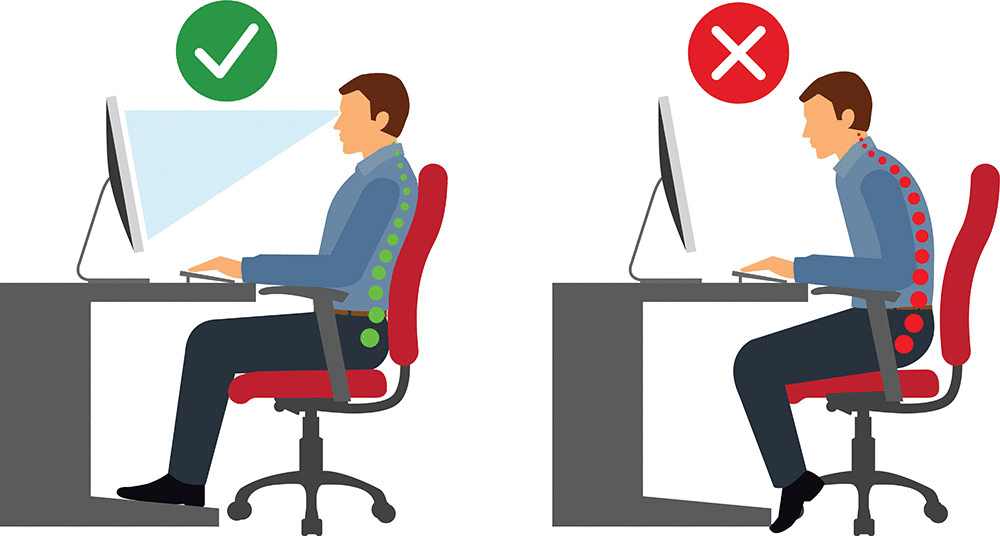
In today’s digital lifestyle, most of us spend countless hours sitting—whether it’s at work, driving, or relaxing at home. This sedentary behavior, often combined with poor posture, is one of the leading causes of chronic neck and back pain. The good news is that you don’t always need pills or expensive treatments to feel better. With a few mindful changes to your daily habits, you can naturally reduce pain and restore spinal health.
Let’s explore practical, simple ways to improve posture and relieve discomfort—starting today.
Many people overlook how closely posture is linked to overall body health. Poor posture puts unnecessary strain on the spine, muscles, ligaments, and nerves. When your head leans forward or your shoulders hunch, your body compensates by overworking certain muscle groups—especially in the neck and lower back. Over time, this leads to stiffness, discomfort, fatigue, and even long-term musculoskeletal issues like disc degeneration or nerve compression.
Good posture keeps your spine aligned, evenly distributes weight, and allows your muscles to work efficiently without strain. Fixing your posture is not just about appearance—it’s about reducing pain, preventing injury, and improving physical performance in daily life.
Your sitting and standing positions play a major role in either easing or aggravating pain. While sitting, many people slouch or lean toward their screens without realizing it. Over hours and days, this posture can cause the neck to stiffen and the back to weaken.
To improve sitting posture:
Sit all the way back in your chair with your back straight and shoulders relaxed.
Keep both feet flat on the floor.
Avoid crossing your legs.
Use a small pillow or lumbar support to maintain the natural curve of your lower back.
To improve standing posture:
Stand with your weight evenly distributed on both feet.
Keep your shoulders rolled back and chin tucked slightly.
Avoid locking your knees or leaning on one leg.
Correcting these habits may feel unnatural at first, but with practice, it becomes your new normal—and your spine will thank you.
A poor workstation setup is one of the leading causes of posture-related pain, especially for those working from home or sitting at a desk all day. An ergonomically designed workspace encourages proper posture and reduces strain.
Key elements of an ergonomic setup:
Chair: Choose a chair with good lumbar support. Adjust its height so your knees are level with your hips.
Monitor: Your screen should be at eye level, about 18–24 inches from your face. You shouldn’t have to tilt your head up or down.
Keyboard and Mouse: Keep them close to your body. Your arms should rest comfortably at 90 degrees.
Desk Height: Your forearms should rest parallel to the floor when typing.
These adjustments prevent hunching, leaning, and neck strain, especially during long working hours.
Your core isn’t just about abs—it includes your abdominal muscles, lower back, obliques, and pelvic region. These muscles support your spine and keep your upper body balanced. If your core is weak, your posture will suffer, and your spine will bear more pressure than it should.
To build core strength:
Practice planks, bridges, and dead bugs regularly.
Include lower back exercises like superman lifts and back extensions.
Use a stability ball or resistance bands to engage deep muscles.
Aim for at least 15–20 minutes of core workouts, 3–4 times a week. As your muscles strengthen, your posture will naturally improve and pain will begin to ease.
Tight muscles are a common side effect of poor posture. When you sit for too long, your hip flexors, hamstrings, chest, shoulders, and neck muscles often become shortened or stiff, which limits movement and increases discomfort.
Try these daily stretches:
Neck stretches: Gently tilt your head side to side and forward to relieve tension.
Chest opener: Stand in a doorway and press your arms outward to stretch your chest.
Hip flexor stretch: Kneel on one leg and push your hips forward.
Hamstring stretch: Sit with one leg extended and reach for your toes.
Child’s pose: A gentle yoga position that releases the spine.
Stretching for even 10 minutes a day can loosen tight muscles, improve flexibility, and reduce the impact of poor posture on your body.
Since we often fall into bad habits unconsciously, reminders and posture tools can be extremely helpful. These simple interventions nudge you back into proper alignment throughout the day.
Effective posture tools include:
Phone or smart watch reminders: Set alerts every hour to check your posture.
Sticky notes: Place a note on your desk or mirror that says “Sit Tall” or “Check Posture.”
Posture apps: Some mobile apps use your phone camera or device sensors to track posture.
Posture correctors: Wearable braces that gently pull your shoulders back and align your spine.
These tools work especially well in the beginning when you're developing new posture habits.
No matter how perfect your posture is, sitting still for too long is harmful. Regular movement improves circulation, reduces muscle stiffness, and gives your body the reset it needs to stay pain-free.
Tips to stay active:
Take a short walk every 30–60 minutes.
Do gentle neck rolls, shoulder shrugs, and back stretches at your desk.
Use a standing desk for part of your day.
Try dynamic sitting (sitting on a stability ball or wiggling slightly to engage your core).
Remember, your body is designed to move. Breaking long sitting sessions with short bursts of movement can protect your spine and ease pain naturally.
Disciplines like yoga and Pilates are excellent for posture correction. They focus on controlled movements, balance, alignment, and breathing—all of which train your body to move and rest in a healthy way.
Recommended yoga poses for posture:
Mountain Pose (Tadasana) – for full-body alignment
Cobra Pose – strengthens the lower back
Cat-Cow Stretch – improves spine flexibility
Child’s Pose – relieves lower back tension
Wall Angels – realigns the upper spine and shoulders
Practicing yoga or Pilates 2–3 times per week can dramatically improve posture and reduce pain, especially for beginners.
Good posture is the first step toward living a pain-free and active life. Whether you're dealing with constant neck stiffness or lower back discomfort, small daily changes can make a big difference. And if your pain persists or you need expert guidance, don’t hesitate to contact us. Our healthcare professionals are here to support you with personalized care and advice—so you can feel your best every day.